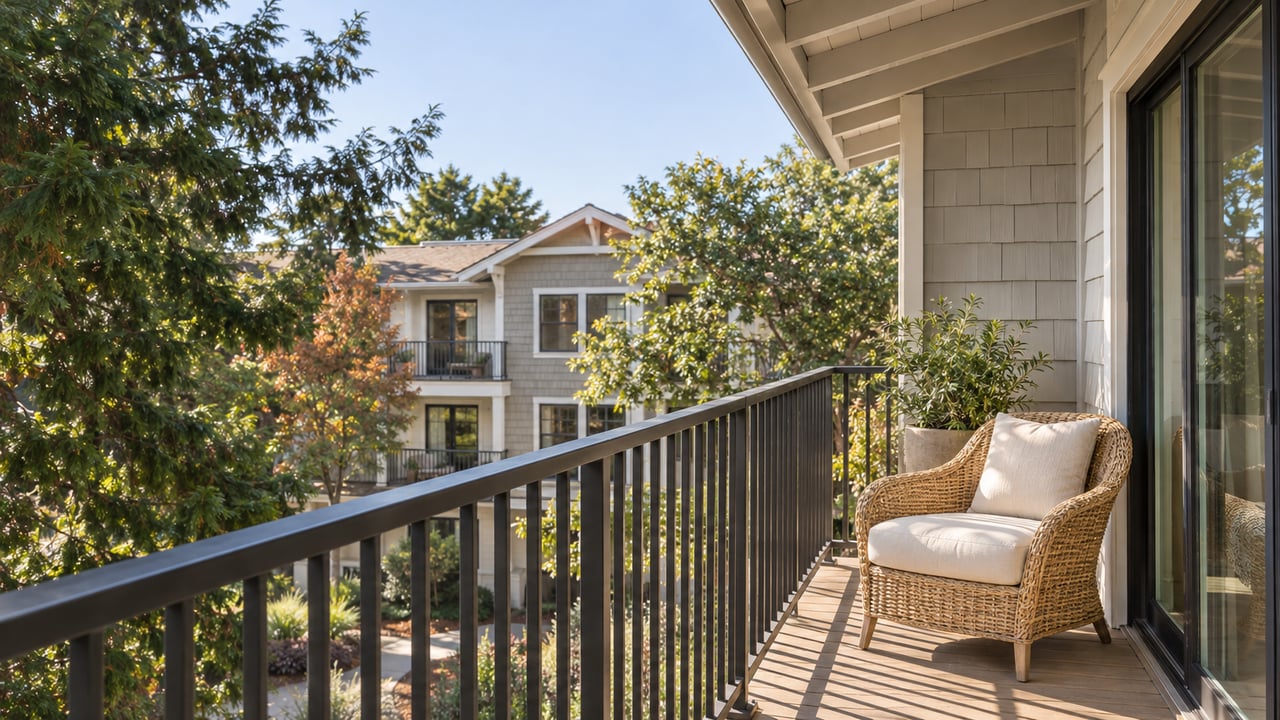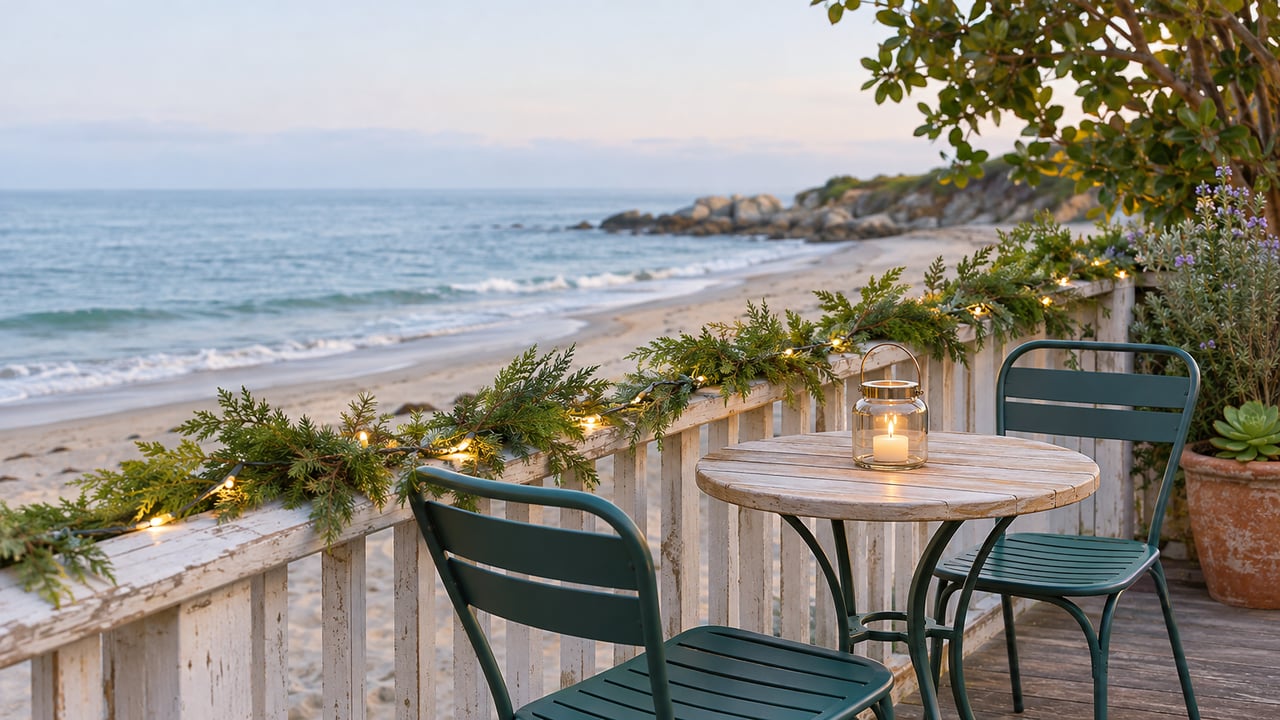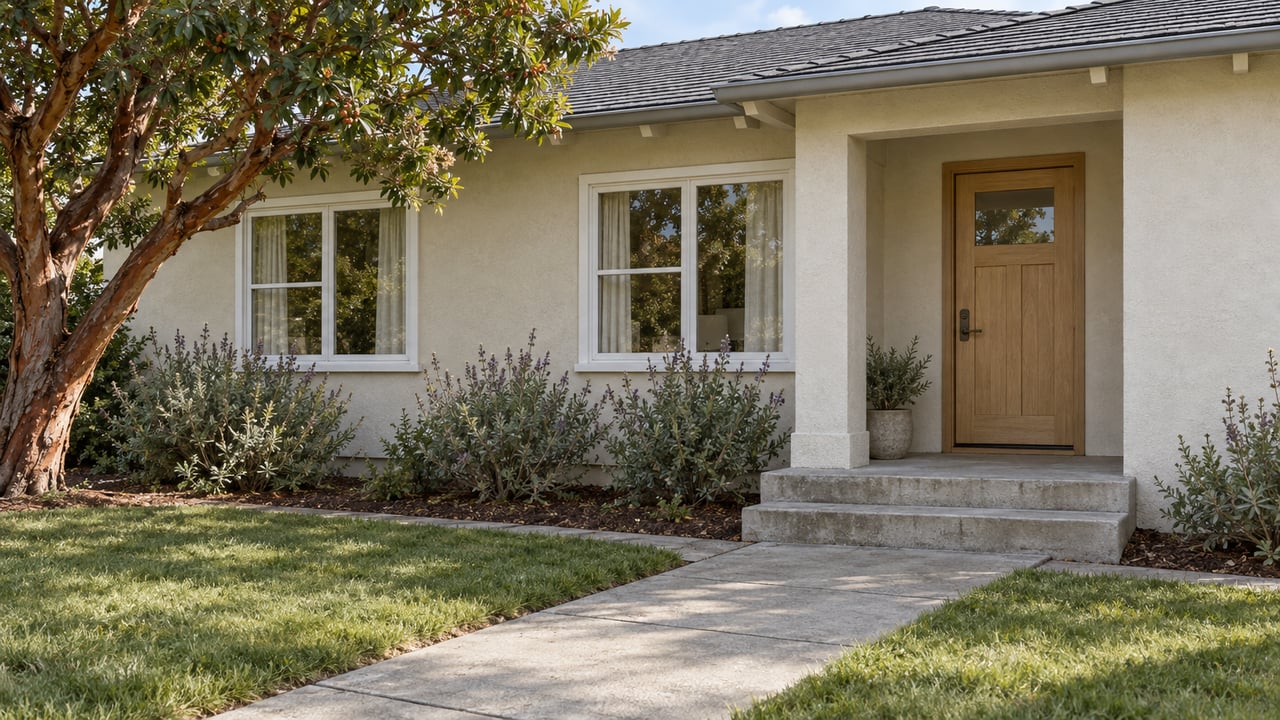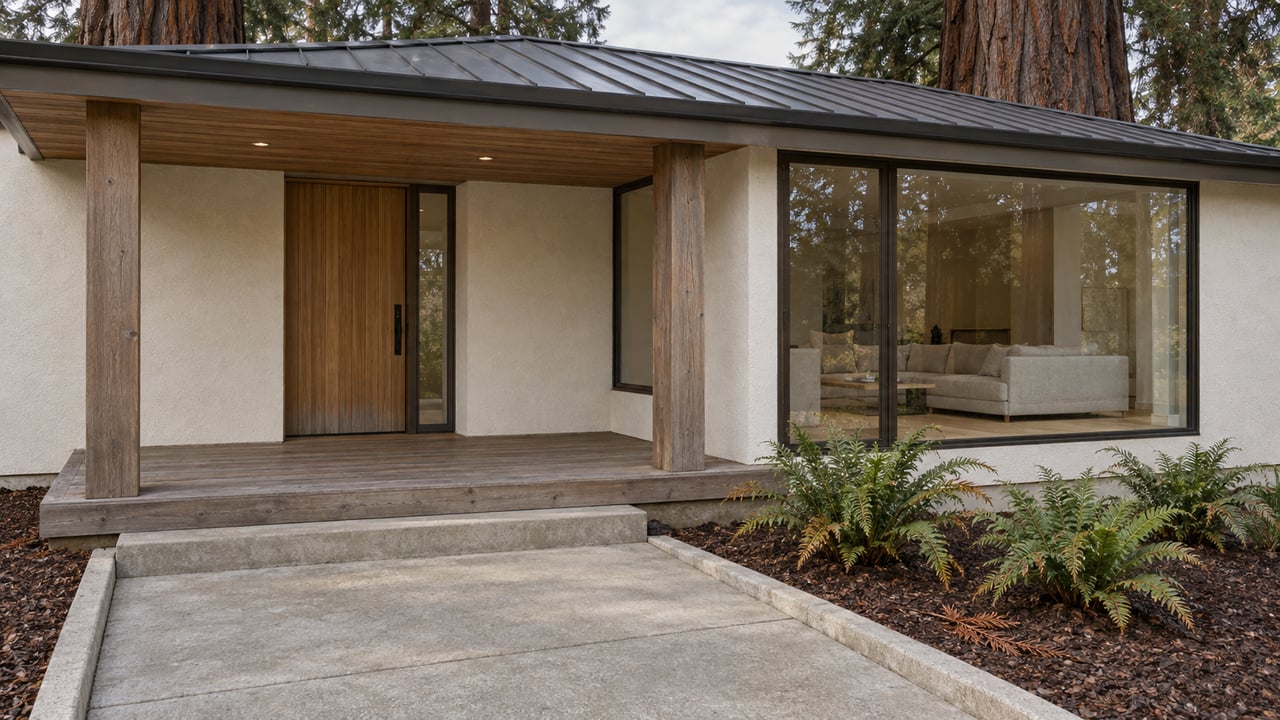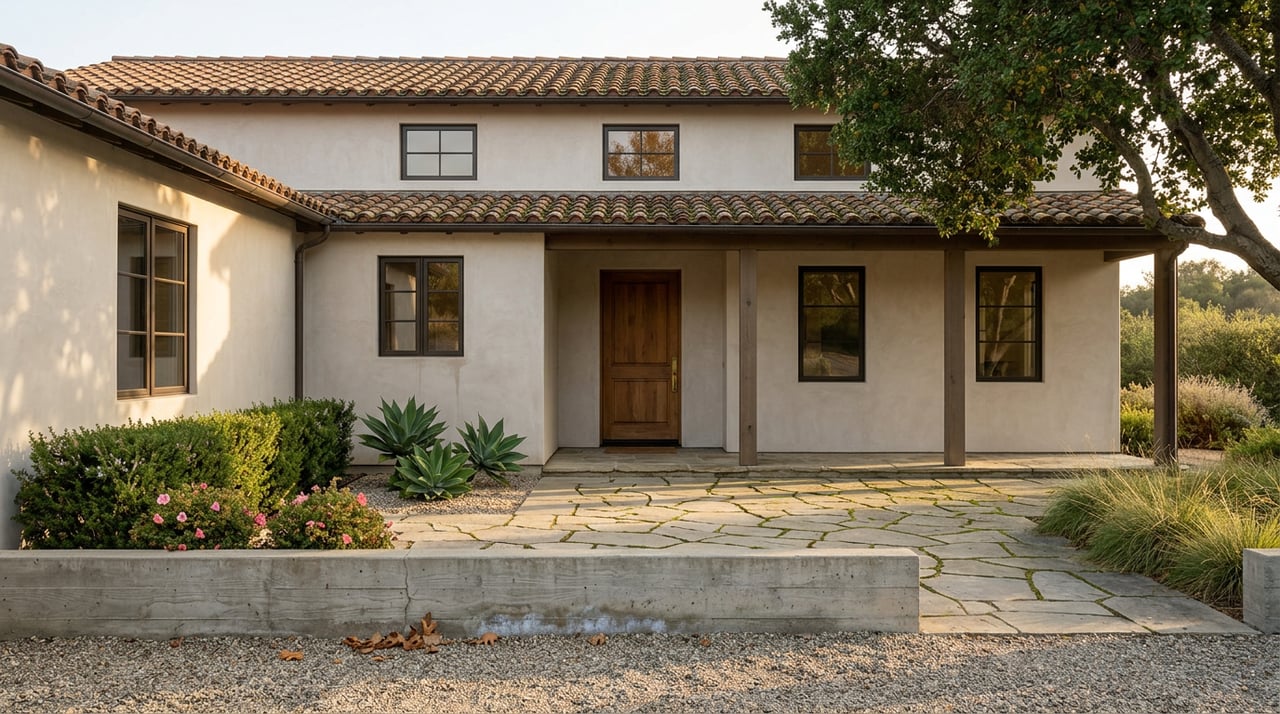
Type "Watsonville homes under $900,000" into a search filter this week and you'll pull up a Craftsman two blocks from the Watsonville Civic Plaza, walking distance to the Farmers Market, listed in the low $700s. Scroll a little further and you'll also find a shingled cottage near the gated entrance to Pajaro Dunes, steps from the sand, asking a price that would make the Craftsman blush. Both carry the same city name on the listing. Both show up under the same search. They are not, in any meaningful sense, the same market.
That gap is the whole story. If you've been comparing Santa Cruz County cities on median price alone, "Watsonville" looks like the obvious value play, roughly a third cheaper than everything around it. That's true, as far as it goes. But it's true only if you're pricing the inland, historic side of town. Once you cross Highway 1 toward the coast, the discount doesn't just shrink. It disappears.
The Number That Started the Rumor
The 2025 annual MLS report for Santa Cruz County put Watsonville's median single-family sale price at $800,000, against a countywide median of $1,106,875. Condos and townhomes told a similar story: $702,000 in Watsonville versus $787,500 across the county. Line Watsonville up next to its neighbors and the gap widens further. Aptos closed 2025 at a $1.5 million median. Capitola came in at $1.7 million. Santa Cruz sat at $1,517,500. Soquel closed near $1.45 million, Scotts Valley near $1.35 million.
That's a legitimate, well-documented spread, and it's the number most relocating buyers see first. What it doesn't tell you is that it's an average of two markets that behave nothing alike.
Five Neighborhoods Wearing One Name
Watsonville isn't a single price tier. It's a patchwork of at least five distinct pockets, each with its own buyer profile and its own ceiling.
Downtown Watsonville is the walkable historic core, Victorian and Craftsman homes on established lots near the Civic Plaza. This is where the "affordable entry point" reputation comes from, and it's genuinely the most accessible piece of Santa Cruz County real estate you'll find without leaving the coastal climate zone entirely.
East Watsonville sits on the newer edge of the city, closer to Highway 152 and the Gilroy corridor. It draws a different buyer: someone commuting toward the South Bay who wants square footage and a shorter drive over the hill, not necessarily beach proximity.
Corralitos, in the hills east of town, is vineyard and orchard country. Larger parcels, more privacy, a rural character that pulls buyers who want land and quiet more than walkability. This is Pajaro Valley agriculture meeting residential living, and lot size does a lot of the pricing work here.
Larkin Valley leans equestrian, open space, low density. It's the smallest and quietest of the five, and it rarely shows up in the same conversation as "affordable Watsonville," because it isn't really competing on that basis.
La Selva Beach and Pajaro Dunes are the pocket that breaks the discount narrative entirely. La Selva Beach sits between Watsonville and Aptos with direct Monterey Bay frontage, in a setting quieter than the better-known stretches of Santa Cruz coastline. Pajaro Dunes is a gated beachfront community right at the Monterey County line, drawing vacation-home buyers into a mix of duplexes, cottages, and larger homes with direct dune and beach access. Properties here don't just close the gap with Aptos and Scotts Valley. They can clear $1.5 million and land ahead of them.
The Real Math Nobody's Doing
Here's the part that should reframe how you search. The price spread inside Watsonville, from a Downtown Craftsman to a Pajaro Dunes beach house, is wider than the price spread between Watsonville's citywide median and Capitola's. You can drive fifteen minutes within the same zip code and cross a bigger price gap than you would driving to an entirely different town.
That means the "30 to 40 percent discount" framing you've probably seen is really a description of one submarket, not the city. If your target is Downtown or East Watsonville, the discount is real and it's substantial. If your search radius happens to sweep in La Selva Beach or Pajaro Dunes because you typed "Watsonville" into a portal and let the algorithm decide your comp set, you're not comparing apples to apples anymore. You're comparing a coastal second-home market to an inland resident market and calling it one number.
This matters most for buyers doing exactly what the portals encourage: sorting by city name and price, then wondering why two results that fit the same filter feel like they belong to different counties. They do.
Even the "Discount" Isn't a Bargain Right Now
The second layer worth understanding is timing, and here the inland side of Watsonville has its own surprise. Single-family homes in Watsonville sold at 101 percent of list price in April 2026, with roughly 4.4 months of inventory, a market that reads as balanced to only slightly favorable for buyers, not a clearance sale. Monthly medians held in a tight band through early 2026, $765,000 in January, $793,000 in March, $790,000 in April, which suggests a market that's found its footing rather than one still correcting.
Condos and townhomes tell a gentler story. That segment has shown more inventory and slower turnover, giving buyers more room to negotiate and more time to think than the single-family side allows. If your plan is a condo or townhome purchase in Watsonville, you likely have more leverage today than someone chasing a single-family Craftsman near downtown, where well-priced listings are still fielding competitive offers close to asking.
None of this contradicts the affordability story. It just means "affordable" and "easy" aren't the same word. A buyer who assumes Watsonville's lower median translates into a slow, forgiving market may find themselves outbid on the exact inland homes that are supposed to be the value play.
What This Means for Your Search
If you're comparing Watsonville to Aptos, Capitola, or Santa Cruz on price alone, the first question isn't "what's the median." It's "which Watsonville am I actually looking at." A search radius that includes Downtown, East Watsonville, and the coast at once will hand you a number that describes none of them accurately.
The practical fix is to treat these as five separate searches, not one. Decide whether you want walkability and historic character, commute distance toward the Gilroy corridor, acreage and vineyard views, equestrian space, or direct beach access, and then price only within that pocket. Compare Corralitos to Bonny Doon or the Aptos hills, not to Downtown Watsonville. Compare La Selva Beach and Pajaro Dunes to coastal Aptos or Capitola, not to the citywide median that includes them. The city name on the listing is doing less work than you think.
FAQ
Is Watsonville part of Santa Cruz County's coastal market? Parts of it are. La Selva Beach and Pajaro Dunes sit directly on Monterey Bay and price accordingly. Downtown, East Watsonville, Corralitos, and Larkin Valley are inland or hillside, with pricing that reflects that distance from the water rather than the coastal premium.
Which Watsonville submarket is seeing the most buyer competition right now? Single-family homes citywide were selling at 101 percent of list price in April 2026 with a relatively tight 4.4 months of inventory, which points to competitive conditions on well-priced inland homes. Condos and townhomes have shown more inventory and slower turnover, suggesting more room for negotiation in that segment.
If you're trying to figure out which Watsonville actually fits what you're looking for, or how it stacks up against Aptos, Capitola, or the hillside communities further inland, I'd rather walk through it with you directly than let a citywide average make the decision for you. Reach out to Katy King and let's talk specifics.